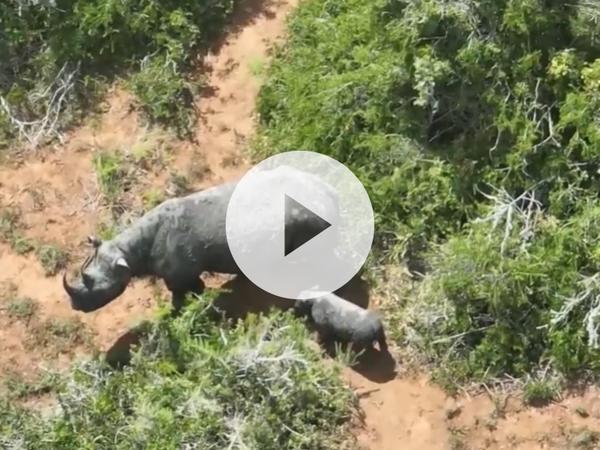
Amakhala's First Black Rhino Calf Amakhala has welcomed its first ever black rhino calf, born on
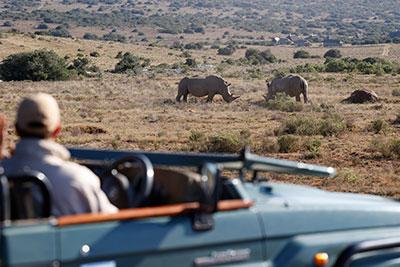
18 October – a historic moment and a huge milestone that means so much to everyone on the reserve. This birth is especially significant because black rhinos (Diceros bicornis minor) are listed as Critically Endangered on the IUCN Red List, so every new calf carries real hope for the future of the species. Amakhala’s black rhino population forms part of a long-standing custodianship with the Eastern Cape Parks and Tourism Agency (ECPTA) and WWF’s Black Rhino Range Expansion Project (WWF-BRREP). It is a partnership built on collaboration between government, private landowners and conservation
organisations and the result of years of dedicated conservation work.
Seeing this tiny calf exploring the reserve with its mother is a beautiful reminder of what becomes possible when people work together to protect wildlife. We feel incredibly proud and look forward to sharing more as this little one grows.
Video Credit: Lulu in Africa |
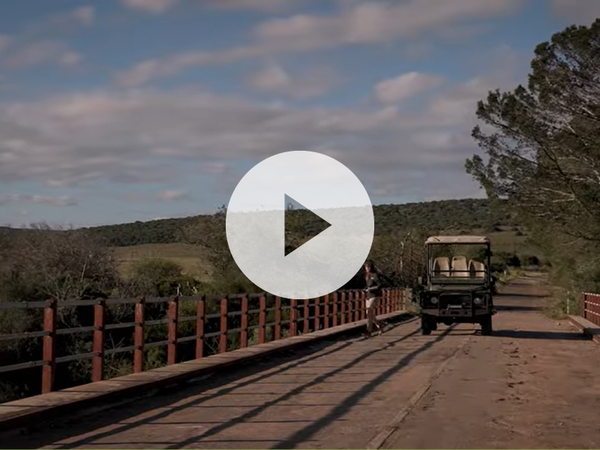
One Year On: Bushman's River Corridor One year ago, a ribbon was cut on the old bridge over the Bushman’s River, marking a defining moment in Amakhala’s history: the opening of the Bushman’s River Corridor beneath the N2
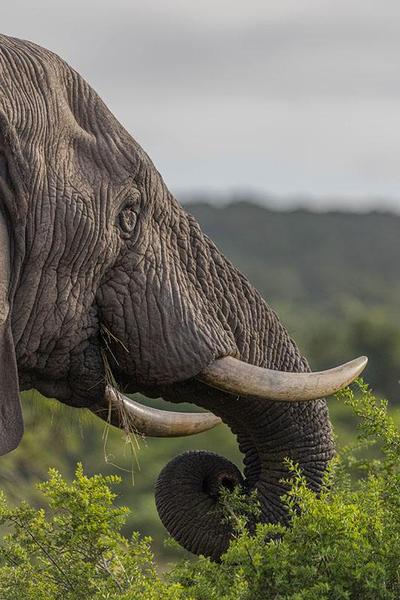
highway. For the first time in more than a century, wildlife can move freely between the northern and southern sections of the reserve, reconnecting landscapes that had long been divided. Envisioned by Amakhala’s founding farmers 26 years ago, this bold conservation project has reshaped the rhythm of the land. Since the underpass opened, elephants, lions, cheetahs, hyenas and countless other species have begun
to roam as nature intended crossing back and forth, expanding their ranges and restoring ecological balance.
It took the elephants only five days to explore the corridor, venturing north into territory their ancestors once knew. Lions and cheetahs soon followed, marking territories, hunting and re-establishing natural hierarchies. Their movements have rebalanced grazing and browsing patterns, reduced pressure on vegetation and supported the long-term
sustainability of prey species. Even the elusive brown hyena has used this passage to reconnect previously isolated populations, strengthening genetic diversity across the reserve.
More than just an engineering achievement, the Bushman’s River Corridor is a living symbol of what can be achieved when people work together to give space back to nature. It embodies Amakhala’s founding vision to restore, reconnect and protect the Eastern Cape landscape through collaboration and shared stewardship.
As Amakhala celebrates its 26th year, and one year since the opening of the underpass, the corridor stands as a testament to that original pioneering
dream: that with courage, unity and care, fractured land can heal, wildlife can return and balance can be restored. Each step through the corridor is more than movement, it is renewal, resilience, and hope for a wilder, more connected tomorrow.
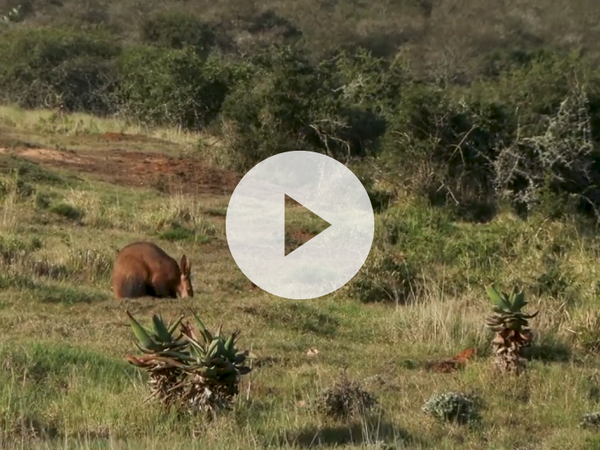
Video Credit: Lulu in Africa Incredible Aardvark Sightings An aardvark has been spotted regularly exploring the grasslands of Amakhala in broad daylight! Normally nocturnal, aardvarks are elusive animals, spending their days curled up in burrows and emerging only after dark to forage. Seeing one out in the open sun is an extraordinary privilege. It looks like our aardvark is hard at work digging away in the grass, probably getting stuck into some termites and ants. The aardvark, whose name comes from the Afrikaans word for "earth pig," is
one of Africa's most unusual mammals, and is closely related to elephants and golden moles. Its powerful claws and long, sticky tongue, which can stretch up to 30 cm, are perfectly designed for its favourite meal: ants and termites. In a single night, an aardvark can dig through several mounds and consume tens of thousands of insects, helping to keep the ecosystem in balance. They can see at night but otherwise have poor vision and are colour-blind. They rely on their senses of sound and smell,
using their long ears and snouts to get around and find insects. By day, aardvarks rest in the deep burrows they excavate. These burrows protect them from predators, while their large claws add another layer of defence. The burrows later become homes for other species, including warthogs, porcupines, mongooses, and snakes: a wonderful example of nature's recycling system. Photo Credit: Lulu in Africa |
With Gratitude: Thank You to Our Sponsors We extend our heartfelt thanks to the Chipembere Rhino Foundation for their recent generous donation toward essential equipment for our Anti-Poaching Unit. Chipembere specialises in providing frontline teams with the tools, training and technology needed to safeguard rhino across Southern Africa. Their support funded new torches, bulletproof vests and pouches, giving our rangers the equipment they need to stay safe
and effective. African Rhino Conservation Collaboration (ARCC) continues to play an invaluable role in strengthening Amakhala’s security
network. Most recently, ARCC funded thermal cameras to secure the Tygerfontein area of the reserve, monitoring boundaries and detecting human activity to add another layer of protection. Their ongoing investment in surveillance, data systems and regional collaboration remains vital to our work. |
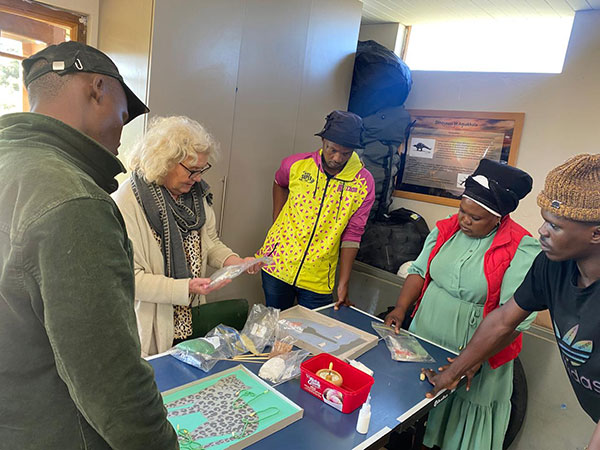
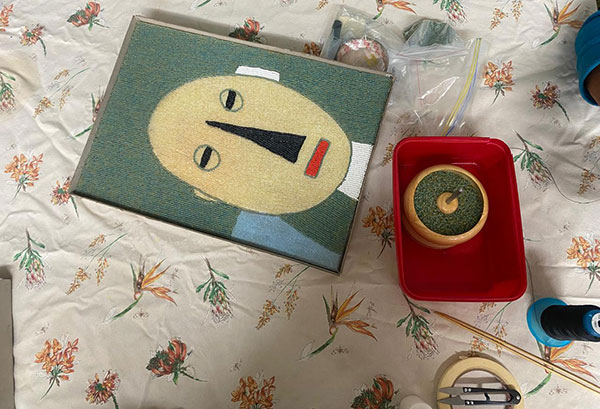
The Amakhala Foundation has
embarked on a creative project where unemployed members from the community have started beading canvases, transforming them into beautiful art pieces. The project is blooming into a beautiful story of passion and resilience as these talented community members pour their hearts into every bead, creating stunning works that celebrate local creativity and craftsmanship. Each piece tells a unique story of dedication and skill. We are deeply grateful to art consultant Carol Hogarth for initiating
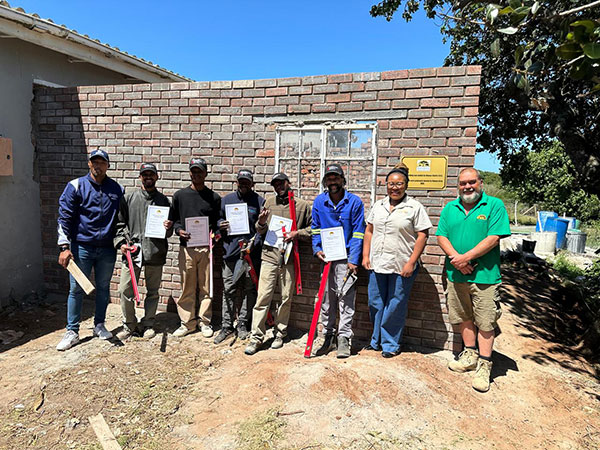
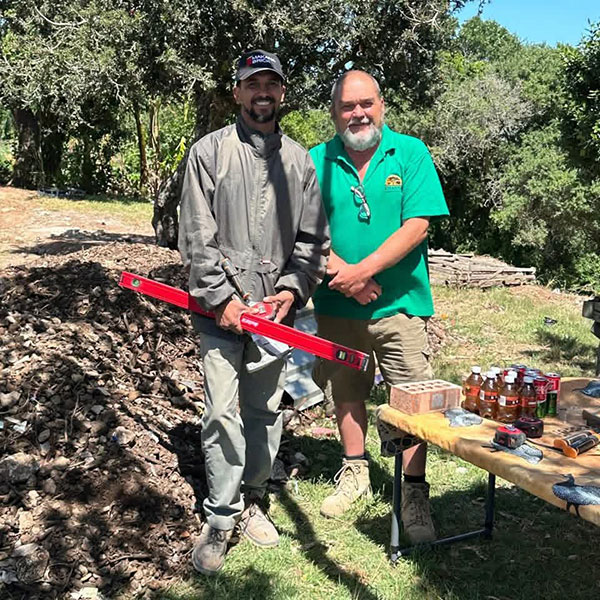
this inspiring project and to Gaye Raphael for her ongoing training, mentoring and unwavering support of our beading artists. In pursuit of our Skills Development Programme, The Amakhala Foundation sent three members from the community on a two-week bricklaying course in Kenton-on-Sea, facilitated by Master Builder from the UK, Ade Lusmore (Khanya Trust). They were joined by two members of the Kenton community through a collaboration with the Kariega Foundation. The brickwork they completed during the hands-on training was for a dormitory that would accommodate learners attending courses run by local potter, Meschack, making a further
contribution to community development. Upon completion, the trainees received certificates and a bricklaying tool kit to support their future endeavours. Amakhala Game Reserve Lodge News
|
Summer days at Bush Lodge bring delightful
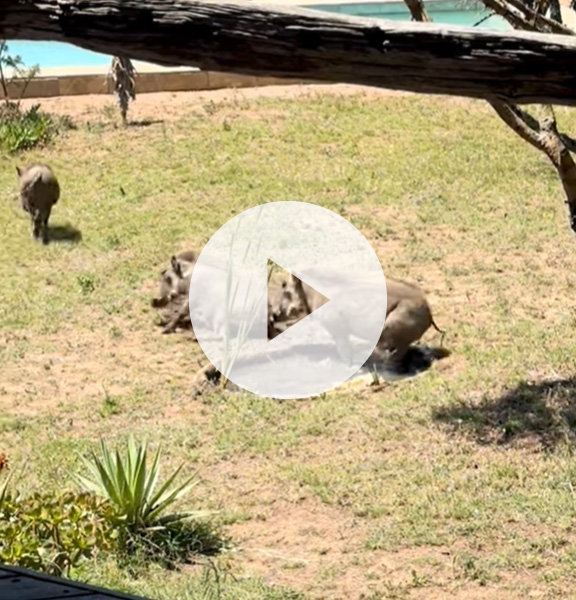
wildlife encounters right to our doorstep. Our new little water feature between the main building and the pool has already become a favourite hangout for the local warthogs, who have claimed it as their personal oasis. With the summer heat settling in, they've been making the most of this refreshing addition, wallowing contentedly in luxurious mud baths in true warthog style. It's a joy to watch these characterful creatures cool off and relax, and it is more proof that some of the most memorable
safari moments can happen just steps from your lodge. // More Info At Bukela Game Lodge, every detail tells
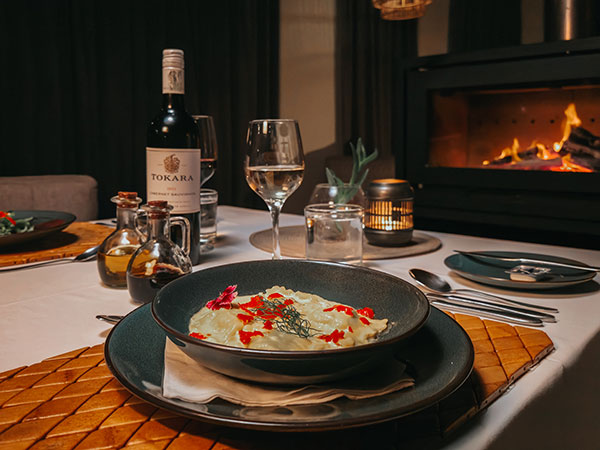
a story, and our new menus are no exception. We are delighted to introduce a refreshed breakfast, lunch and dinner experience, each crafted using fresh local produce and infused with the rich character and flavours of the Eastern Cape. Designed to accommodate all dietary preferences, our dishes reflect both elegance and authenticity. From crisp morning breakfasts and alfresco lunches in nature’s splendour to the quiet magic of dinner beneath the stars, every meal becomes an experience that
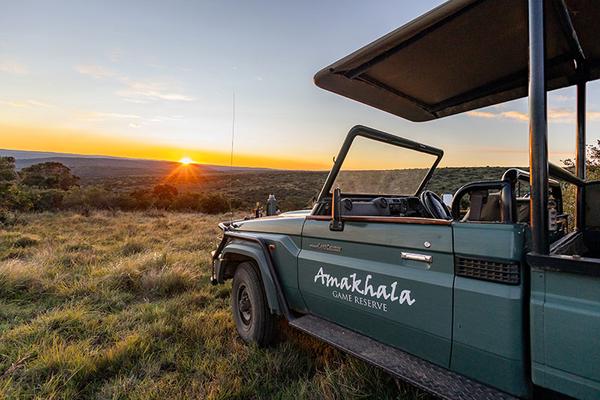
captures the essence of Bukela - refined, natural and unforgettable. // More Info As spring blooms into summer, the days lengthen and the evenings become a magical time on Amakhala Game Reserve. Game drives depart from Woodbury Manor in the mid-afternoon and return as the sun is setting, offering the chance for guests to enjoy quintessential “sundowners” out on the reserve. This golden hour is a favourite for photography and game viewing. And once the sun goes down, there is
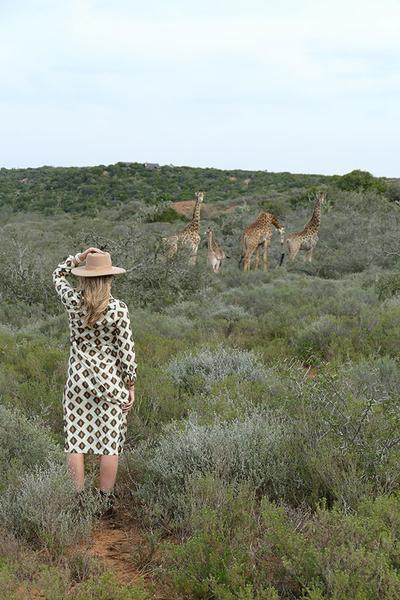
always the chance of spotting some exciting nocturnal creatures before you arrive back to a warm welcome and the prospect of a sumptuous dinner. Photo Credit: Nico Nel Wondering what to do between game drives at HillsNek? Step out of the vehicle and into the wild! You can now enjoy an exclusive guided bush walk in our private game area teeming with antelope and giraffe. Without predators or Big 5 species, this area offers a peaceful and immersive encounter with nature. Led by your knowledgeable HillsNek guide, the walks are an
opportunity to truly immerse yourself in the sights, sounds, and scents of the African bush, a perfect way to complement the thrill of safari with a deeper wilderness experience. Come take a walk on the wild side! // More Info Safari Lodge is proud to have had a bumper
skills development season that builds our lodge and our people! A highlight was having team member Dylan Jones attend a hands-on bricklaying course through The Amakhala Foundation, providing practical experience in construction techniques, precision, and safety, as well as improved technical knowledge and confidence to
undertake maintenance and building projects around the lodge. By investing in skills development, we strengthen our team's capabilities, promote personal growth, and ensure we maintain our facilities to the highest standard while creating opportunities for career advancement. Thank you to the Foundation for providing this opportunity! // More Info This month at Induli Lodge, a new kind
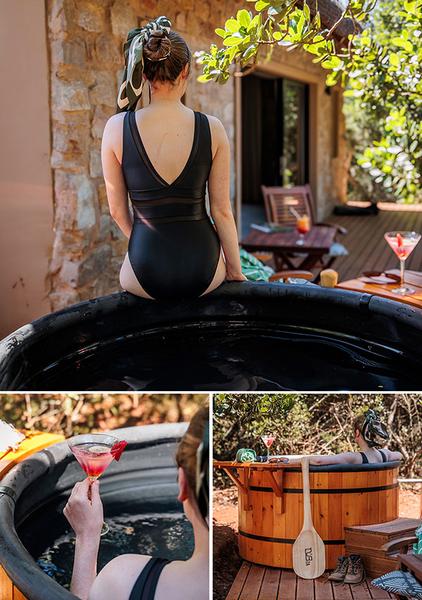
of wilderness luxury awaits. Each private suite now features a wood-heated hot tub: the perfect spot to unwind after a day exploring the reserve. As the fire crackles and the water warms, guests can sink into complete serenity, surrounded by sweeping views and the distant call of the wild. Whether it's a golden summer afternoon or a starlit evening, these tubs invite you to soak in the beauty of the Amakhala Game Reserve. At Induli, every detail is designed to bring you closer to nature: in comfort, in calm, and in unforgettable style. // More Info This year at Hlosi Game Lodge has been
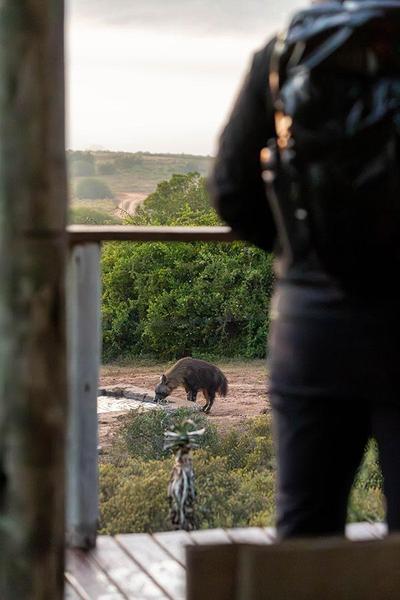
nothing short of extraordinary. From meeting guests who have become part of our extended family to sharing unforgettable moments in the bush, each experience has been a privilege. We've loved seeing eyes light up at the first glimpse of wildlife and sharing heartfelt experiences that linger long after departure. And now, for travellers pressed for time, it's never been easier to plan an adventure: guests can book a Big 5 Day Safari directly online and experience the thrill, beauty, and magic of the bush in just a few clicks. // More Info Woodbury Lodge & Tented CampThe waterholes at Woodbury Lodge and Woodbury Tented Camp have been visited by a host of wildlife lately, including the elusive brown hyena. These strange-looking beasts have been doing well on Amakhala, acting as the main “clean-up
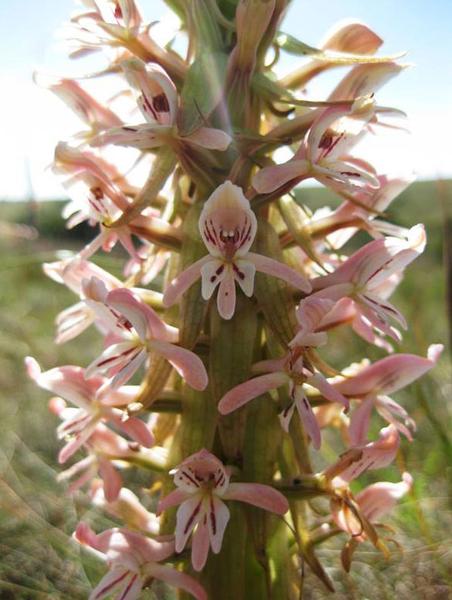
crew” at carcasses left behind by larger predators. They have also been detected using the newly established Bushman’s River Wildlife Corridor more frequently than any other species – obviously enjoying the opportunity to explore new terrain! Photo Credit: Nico Nel Elsewhere, the orchid season is well under way, with Woodbury head guide Rob Smith documenting several emergencies across the reserve, including Satyrium longicolle. South Africa has nearly 500 species of
these special plants, with around 10% being endemic (only occurring in SA). A number of Satyrium species have been documented on the reserve, deriving their name from the little horns on the flowers that are reminiscent of a satyr from Greek mythology.
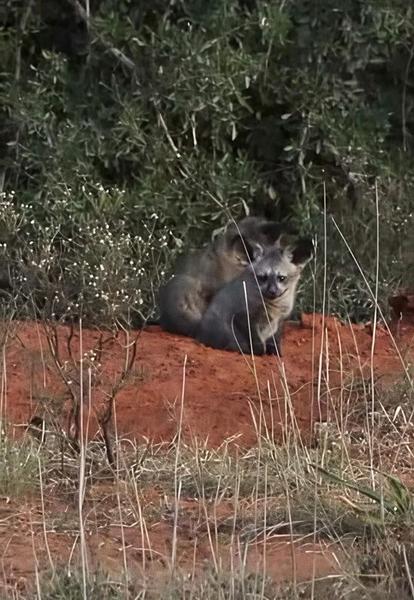
Photo Credit: Rob Smith Leeuwenbosch Country HouseBetween our guests and the Wild Earth Crew, Morgan Mulholland and Ralph Kirsten, we have had some incredible sightings on the reserve. It is so joyful and special to see Bat-Eared Foxes again - we have a
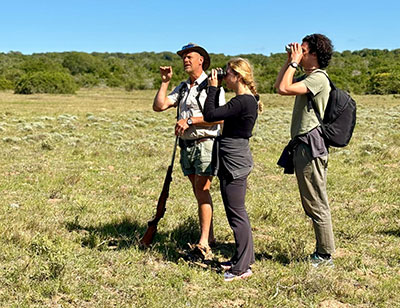
couple of active dens and they are super cute. Brown Hyena and Caracal are also amongst the animals that have been a highlight recently. As we head into our busy season, it's fantastic to see guest numbers double, and we want to thank our regulars and agents for your incredible ongoing support. Here's to a super exciting few months ahead. // More Info Quatermain's 1920’s Safari Camp A safari on foot is an experience of a lifetime: follow animal tracks, discover signs of the wild, encounter wild animals, learn about different plants and flowers, and enjoy the heightened thrill of
being in the wild, with nothing to separate you from the fauna and flora that surrounds you. Guests staying at Quatermain's 1920's Safari Camp can enjoy the bonus of having a professional trail guide onsite to take them out onto the reserve. Any morning game drive can be swapped for an exciting walking safari (subject to
availability) on which you get to meet wildlife up close and personal. // More Info |
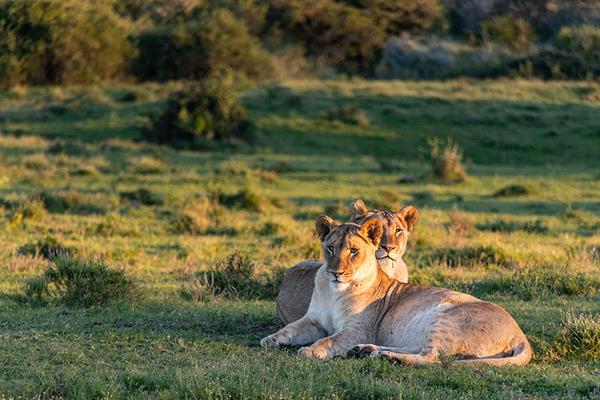
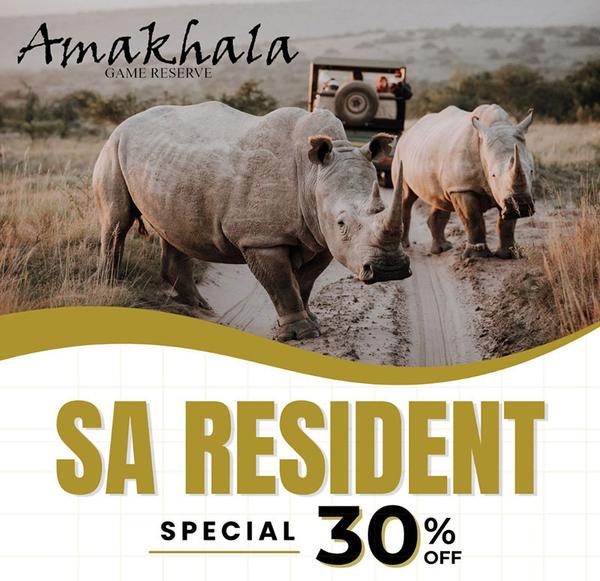
Spotted on Amakhala Game Reserve To celebrate our wildlife, we share some of the amazing images captured by both our Amakhala Rangers and guests who visit Amakhala Game Reserve. To have your images considered for inclusion, please email your photograph taken on the Reserve, with your name and surname to [email protected]. Photographs supplied by Erin Shattock, a guest visiting Amakhala Game Reserve. Image credits: Erin Shattock SA Resident Special 30% Off South African Residents, it’s time for a summer safari! Stay at selected Amakhala lodges from 1 – 19 December 2025 and enjoy 30% off your booking. Breathe in the bush air, enjoy delicious meals, and embark on two thrilling game
drives daily in search of the Big 5. Your stay includes accommodation, all meals, and safari drives. Book now with Central Reservations: +27 (0)41 450 5658 or [email protected]. T&Cs apply. Subject to availability. Excludes beverages and conservation levy. 50% deposit to book, balance on arrival. Woodbury Tented Camp: 29 May – 30 June
Woodbury Lodge: 17 June – 30 June
Leeuwenbosch Country House: 31 May – 7 June
Quatermain's 1920's Safari Camp: 26 June – 20 July
Bush Lodge: 01 July – 31
July |
|
|